

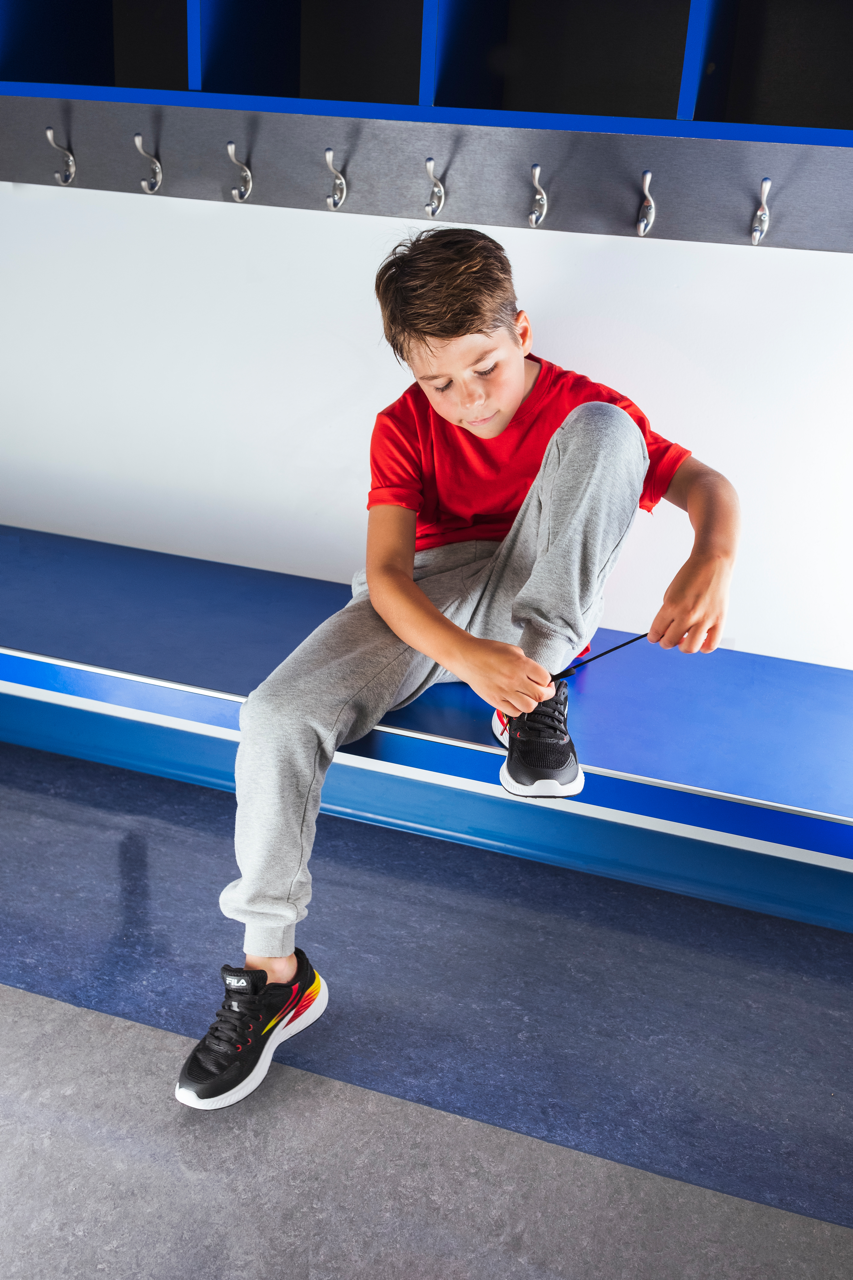
At what age do children start wearing shoes?

What type of shoe should you choose for their first steps?
Congratulations, your child has now reached the stage where they can stand for long periods, which means it’s time to choose their first pair of shoes!
Mistakes to avoid when choosing first shoes
During the first years of a baby's life, it is common for parents to be drawn to cute shoes. However, it is important to note that these choices are often influenced more by aesthetics than by the actual functionality of the shoes. It is therefore essential to take this into account and prioritize practicality when selecting your child's first shoes.
Here are some common mistakes to avoid when choosing shoes for your child:
-
Thinking that weight equals quality: It is important to understand that lightweight shoes are preferable, as they promote the child's coordination. A heavy shoe can hinder their mobility and their ability to learn how to walk.
-
Opting for a larger size to anticipate growth: The idea of buying larger shoes so that the child can wear them for longer may seem wise, but it can lead to a poor fit. Ill-fitting shoes can cause skin irritation due to friction and compromise the child's stability during their first steps.
Features to look for in first shoes
Introducing shoes to a child for the first time can be more complex than one might think. The pace of learning to walk can vary significantly depending on the styles of shoes you choose. Some children may adapt quickly, while others may need more time to get used to them.
Here are some criteria to prioritize when choosing your child's first shoes:
-
Lightweight
-
Flexibility
-
Ease of putting on
-
The right size (a 5 mm distance between the toes and the front of the shoe)
-
Non-slip rubber soles
The most popular styles
There are various shoe styles, each with its own advantages and disadvantages. For your child's first steps, it is not necessary to always opt for walking boots, although they do offer better ankle support. Low-top shoes can also be excellent choices. The key elements to prioritize are the presence of cushioned soles and the use of lightweight materials, as they promote better balance and optimal comfort for your child.
Which pair of shoes to choose based on your child's age?
Your child's age is a crucial factor to consider when choosing their shoes, as the necessary features vary according to their stage of development. Here are some tips for choosing shoes based on your child's age:
2 years and under
During this period, the child is learning to walk. Until they are 9 months old, they generally won't wear shoes, except in cold weather. From 9 months to 2 years, opt for shoes with flexible, non-slip soles, which offer the best support.
From 2 to 5 years old
Children aged 2 to 5 develop a better sense of balance. At this age, comfort is essential. Materials that allow for good ventilation, such as mesh fabric, are preferable. Avoid faux leather as much as possible, as it can make your children's feet sweat. As for the sole, shoes with firm, thick heels are more suitable. They provide better support for the arches.
From 5 to 14 years old
At this stage, your child is proficient at walking and will have a wider variety of footwear choices. You can opt for sneakers, sandals, boots, running shoes, cleats, lace-ups, or Velcro shoes, depending on their needs and activities. However, always prioritize shoes made with robust materials and reinforced toe caps, as children in this age group can be rougher and damage their shoes while playing.
Key factors to consider when buying good sneakers
Outdoor and indoor sneakers
When planning outdoor activities, favor robust materials for your sneakers. Indeed, these are more likely to suffer damage when worn outside the home. If you are planning hikes or outdoor days, consider sneakers with a reinforced toe cap and lug soles for better grip.
Indoor sneakers
Conversely, when you are indoors, there are fewer factors that cause wear and tear on shoes. It is therefore not necessary to opt for waterproof or extremely resistant sneakers. In this context, lightness is more important than durability. Opt for EVA (ethylene-vinyl acetate) soles with a rubber insert, which will not leave marks on the floor.
The closure system
You will have a choice between three options:
-
Laces
-
Velcro
-
Elastic lacesand Velcro
If your child still struggles to tie their sneakers, the combination of Velcro and elastic laces can be an excellent option. However, for specific sports, laces offer a more precise fit, which proves particularly practical and comfortable during a soccer or basketball game.
Materials
Mesh fabric is the preferred material when choosing your sneakers, as it allows feet to breathe, thus preventing excessive sweating. This material breathes better and offers great resistance, ensuring a long life for your shoes. Avoid materials that do not allow for good air circulation. As for EVA soles, they offer flexibility, while the rubber insert provides better grip on the ground.
Club Chaussures: always the biggest brands, at the best prices, for your whole family!


